Planning a trip to Utah soon? Don’t miss out on Bryce Canyon National Park!
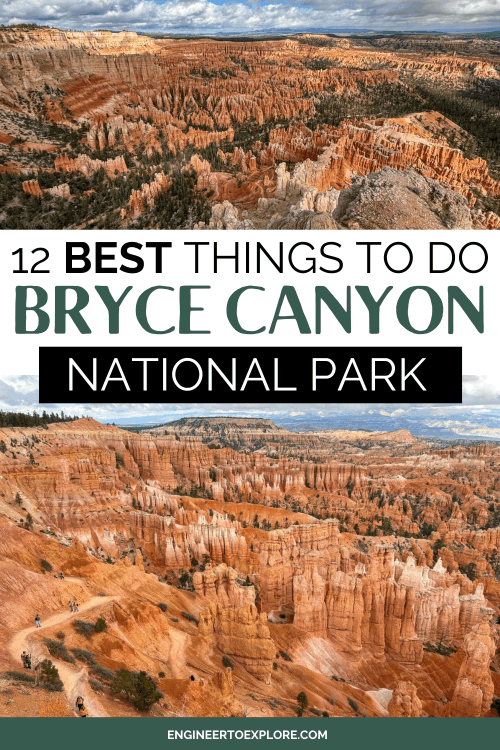
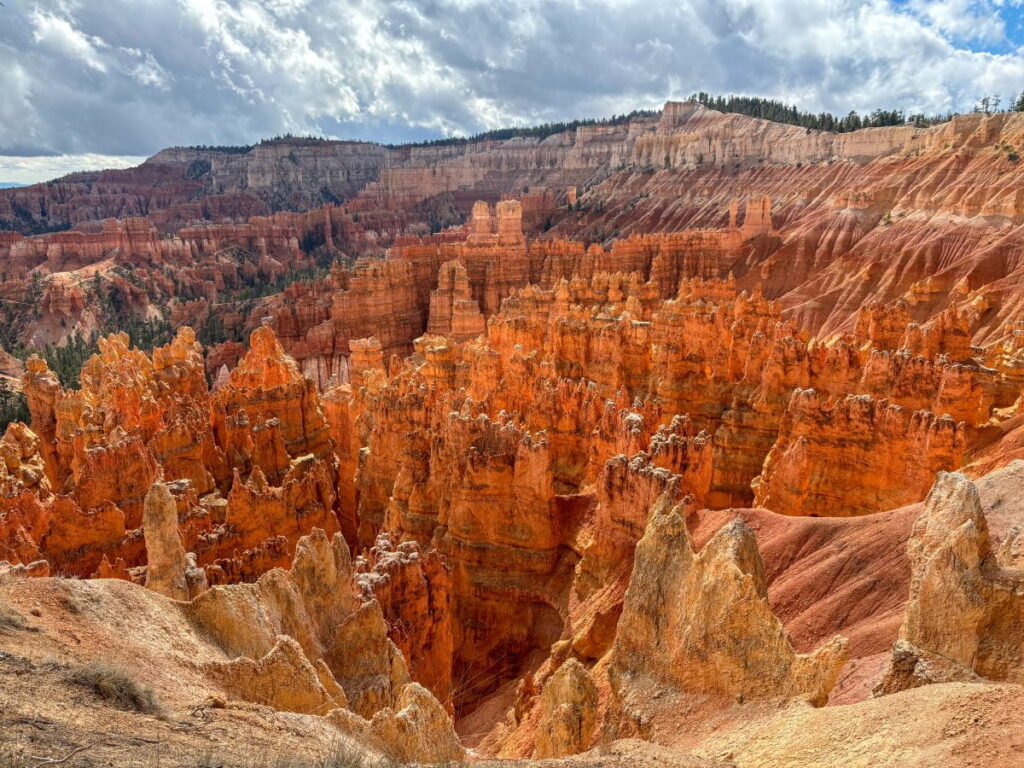
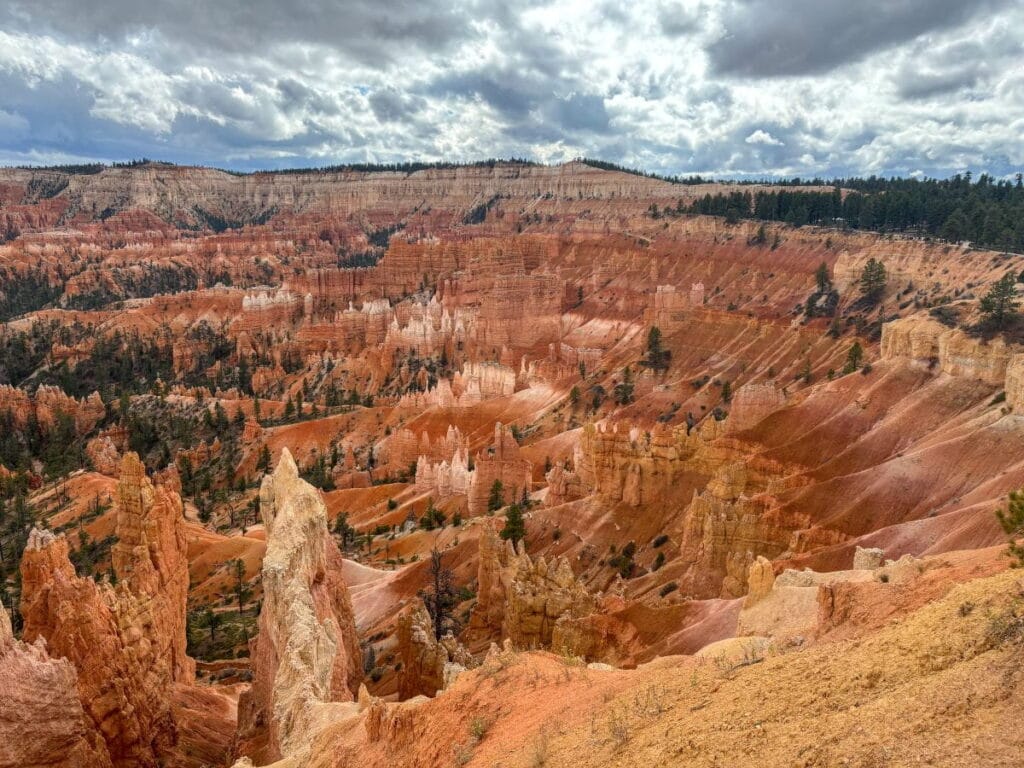
Famous for its hoodoo rock formations, Bryce Canyon might be the most unique National Park that we’ve visited. Looking out over the Bryce amphitheater is mesmerizing: you notice something different every time.
My husband and I have spent a total of two days in Bryce Canyon National Park, broken up into two separate day trips: the first in 2021 while we were visiting Capitol Reef National Park and the surrounding area, and again in 2024 while visiting the North Rim of the Grand Canyon and Zion National Park.
Even though Bryce Canyon is a small and compact park, there are quite a few great things to do here. Bryce Canyon is famous for its scenic viewpoints, incredible hikes, and even horseback riding!
This list goes into detail about the top 12 things to do in Bryce Canyon National Park to help you plan your trip! I also have suggestions for the best things to do with limited time at the end of this post.
Bryce Canyon National Park Overview
Bryce Canyon National Park is home to the largest collection of hoodoos in the world.
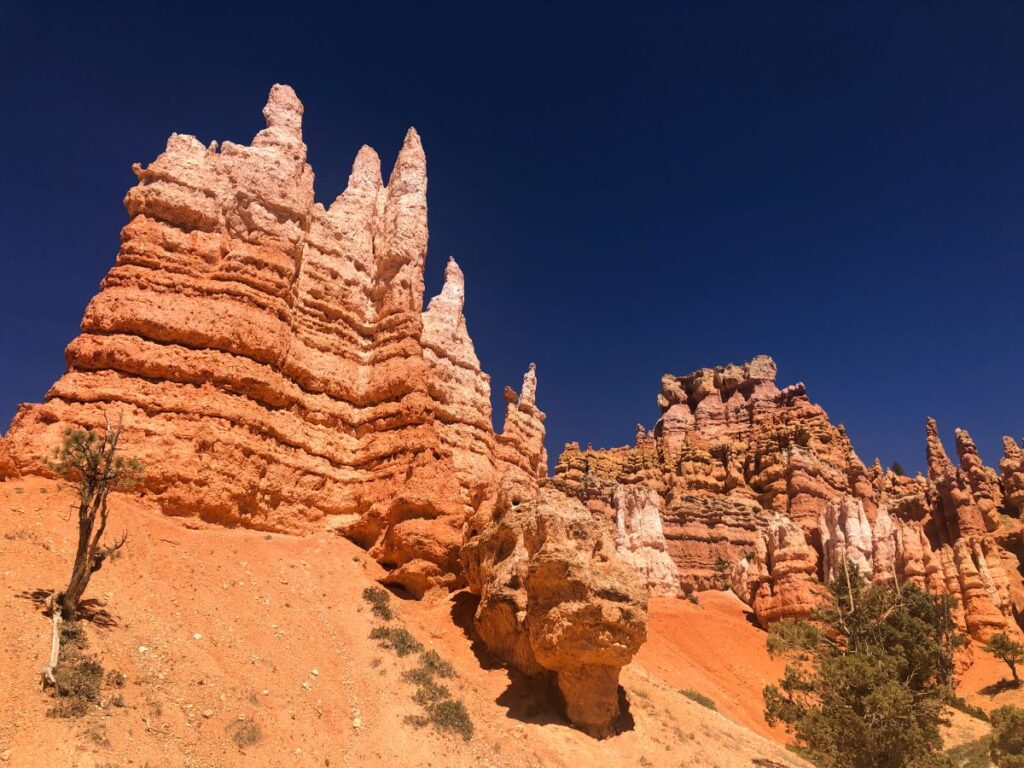
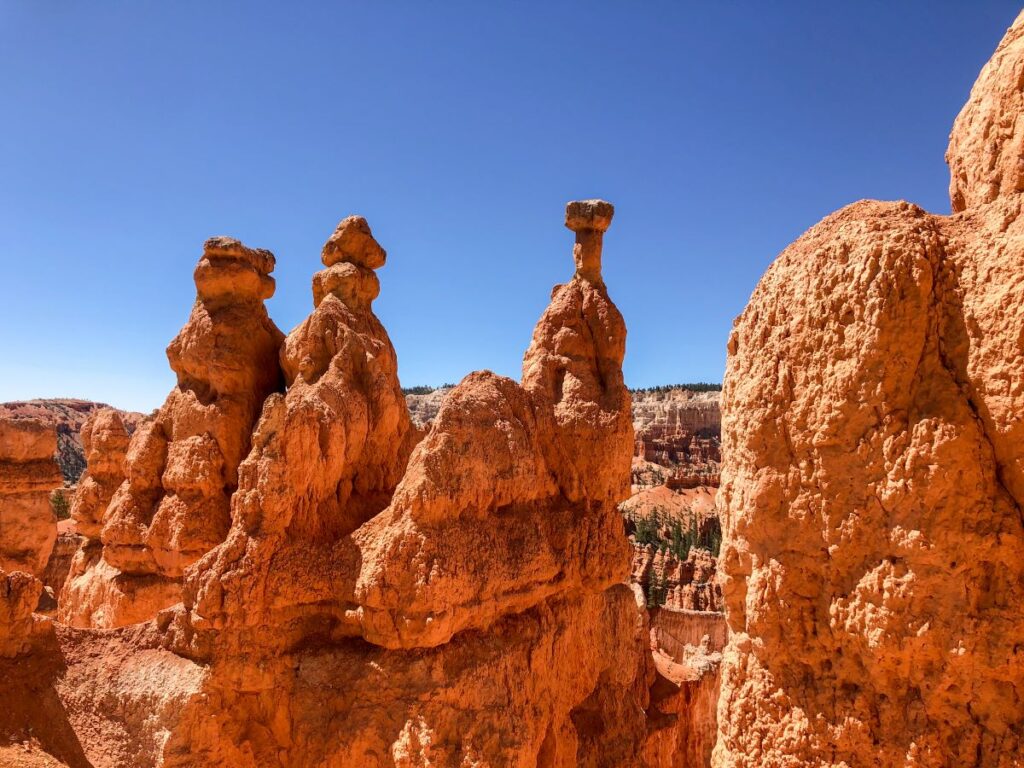
Hoodoos are rock formations that are formed by wind erosion. Hard rock sits on top of soft rock and the wind, rain, and other elements slowly erode the softer sandstone over time, leaving the tall rock structures you see today.
Hiking in Bryce Canyon feels like you’re walking through a towering forest of rocks. The experience is super unique and will make you feel extremely small.
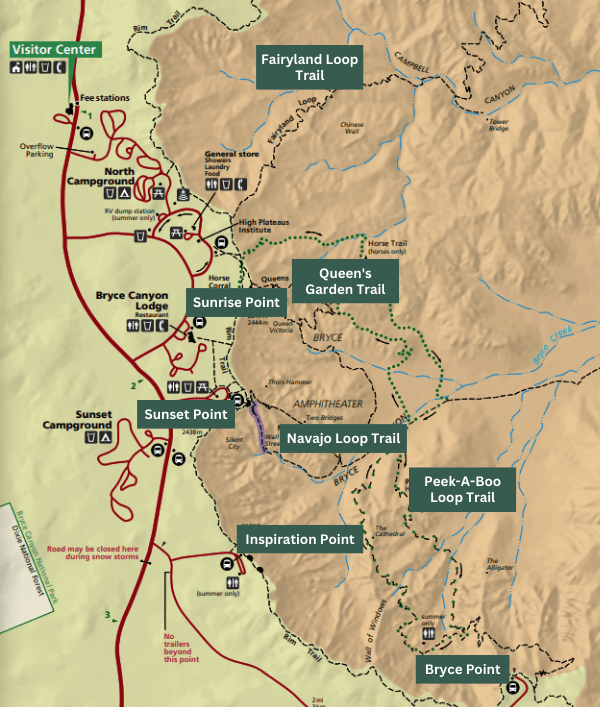
There is one entrance gate to Bryce Canyon and one main park road that will take you along the rim of the Bryce amphitheater and to all of the main attractions. You can drive your own vehicle or take the park shuttle to each viewpoint.
The lesser- visited Scenic Drive is located south of the amphitheater along the main park road.
I’ve annotated the zoomed-in map below with the major points of interest, but you can download a high-resolution map here.
Best Time to Visit Bryce Canyon National Park
The best time to visit Bryce Canyon National Park is in the spring or fall(shoulder season), when temperatures are pleasant. April, May, October, and November are the best months to visit.
Our visit during late May was quite hot and our visit during mid-October was quite chilly. Be prepared for both types of weather if you plan to travel during shoulder season!
Bryce Canyon sits at 8000 feet above sea level, which is the highest elevation park of the Utah Mighty 5. You might feel more winded when hiking here, so keep that in mind when choosing your activities for the day.
Summers at Bryce Canyon are brutally hot and busy with crowds. Bryce Canyon is the second most-visited National Park in Utah with over 2 million visitors per year, so the lines to enter the park do get long midday and during peak season and parking can be a challenge.
Definitely utilize the park shuttle during this time of year as it will be difficult to find parking at the 4 main viewpoints in the Bryce amphitheater.
Winters are cold and can be snowy. Bryce Canyon looks absolutely magical with a dusting of snow, but be prepared with winter hiking gear if you plan to hike down into the amphitheater during the winter months.
Winter is also the season with the lowest crowds, so it will be easier to find parking and solitude.
Related: One Perfect Day in Bryce Canyon National Park: The Ultimate Itinerary
How to Get to Bryce Canyon National Park
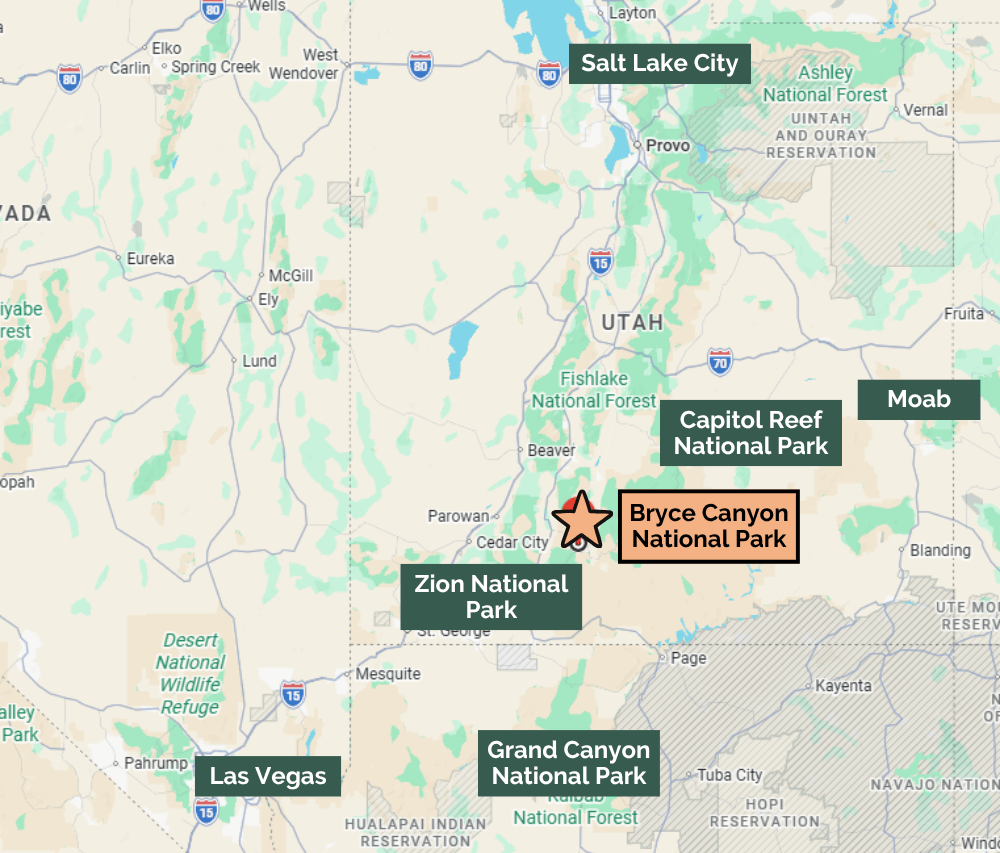
Bryce Canyon National Park is located in southern Utah. If you’re looking at the Utah Mighty 5 National Parks in a line, Bryce Canyon is situated between Zion and Capitol Reef National Parks.
The most convenient airports to fly into and rent a car are Las Vegas or Salt Lake City. Bryce Canyon is equidistant from both cities, about a 4 hour drive.
Las Vegas is more convenient for visiting the Grand Canyon and Zion National Parks, and Salt Lake City is more convenient for visiting Moab. Choose the airport that is the most convenient for the trip you are planning!
We personally prefer Salt Lake City to Vegas, if you’re still undecided.
If you are coming from Moab and/or Capitol Reef National Park (or heading there after visiting Bryce Canyon), I highly recommend driving Utah Highway 12 to or from Bryce Canyon National Park.
This is one of the most scenic drives in the US and there are a lot of great views and stops along the way. Google and Apple Maps won’t route you this way since it is a bit longer than taking the main highways, but you won’t regret the slight detour!
You can make a great week-long road trip from Capitol Reef to Bryce Canyon just along this stretch of road!
Here are drive times to Bryce Canyon from popular destinations:
- Las Vegas: 260 miles / 4 hours
- Salt Lake City: 268 miles / 4 hours
- Zion National Park: 83 miles / 2 hours
- Capitol Reef National Park: 112 miles / 2 hours
- Moab: 248 miles / 4.5 hours
- Grand Canyon South Rim: 288 miles / 5 hours
Fees & Passes Information
It costs $35 per vehicle to enter Bryce Canyon National Park and the pass is good for 7 days. There are no timed entry or advance reservations required.
If you plan to visit more than 3 National Parks or Monuments on your trip to Utah(or within one year), getting the America the Beautiful National Park Pass will save you money vs. paying the separate fees at each park. It costs $80 and you can choose between a physical pass or a new digital version.
Related: Capitol Reef Itinerary: How to Spend 1-4 Days at Capitol Reef National Park
Bryce Canyon Shuttle Information
During peak season, Bryce Canyon National Park operates a free shuttle that takes visitors to the 4 main viewpoints along the rim of the Bryce amphitheater. There is also a shuttle stop outside the park at Bryce Canyon City to shuttle visitors into the park.
The Bryce Canyon shuttle operates between April and mid-October and generally runs every 15 minutes. Using the shuttle isn’t required, but it is highly recommended to reduce traffic congestion and to not have to worry about finding parking.
More information on the shuttle can be found on the NPS website here.
I recommend entering the park before 9 am to ensure you get a parking spot at the Visitors Center or one of the overflow lots and taking the shuttle to the viewpoints around the Bryce amphitheater.
Our Experience: During our October visit (we were there during the last week they were running the shuttle), we alternated between taking the shuttle to each point and walking the Rim Trail. We didn’t have to wait in any lines for the shuttle, but I’m sure this is different during peak season.
12 Top Things to Do at Bryce Canyon National Park
1. Sunrise Point
Sunrise Point is the northernmost of the 4 main viewpoints of the Bryce amphitheater. It is likely the first one you will come to when you enter Bryce Canyon National Park (via your own car or the park shuttle).
Despite the name, this view is equally spectacular at sunrise and sunset. You can’t miss photographing the amphitheater from this point on your trip to Bryce Canyon!
The Queen’s Garden trailhead is also located at Sunrise Point.
2. Sunset Point
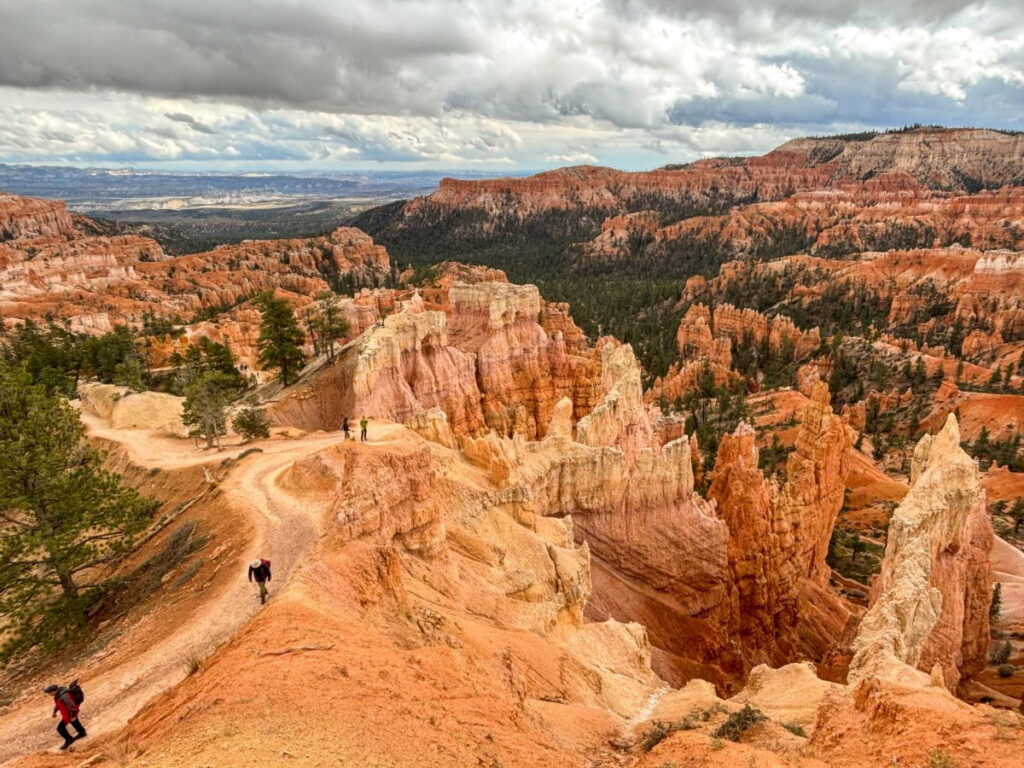
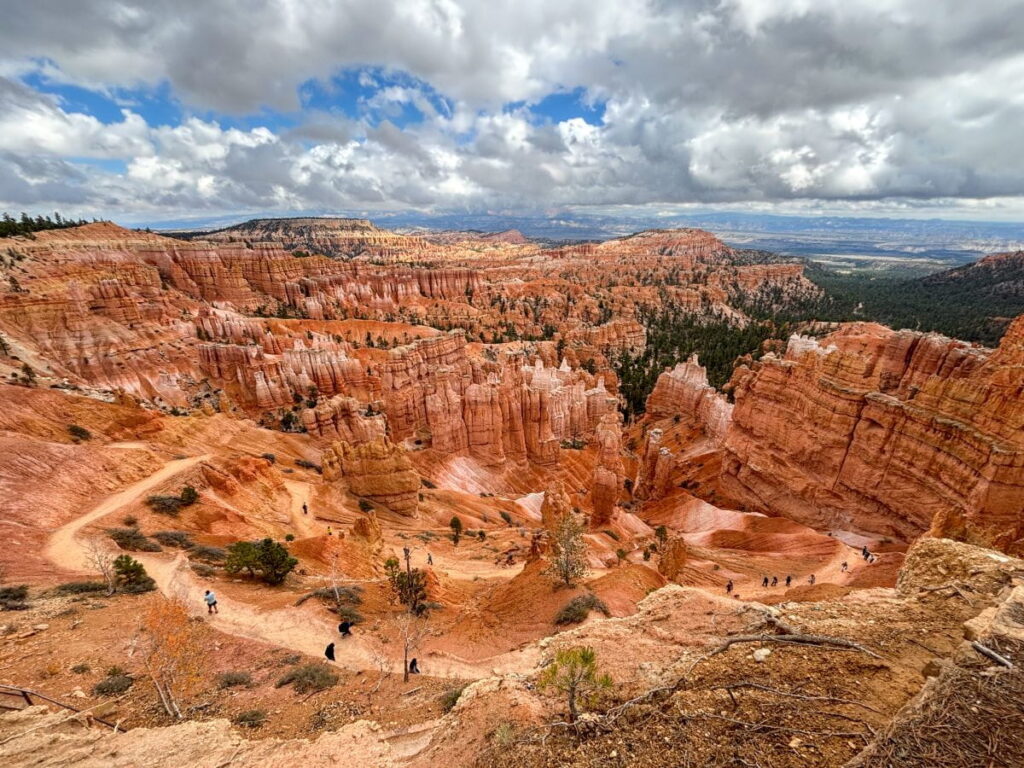
Similar to Sunrise Point, Sunset Point is the second viewpoint you’ll likely come to. This is the best viewpoint to take in the different colors of the hoodoos close-up without hiking down into the amphitheater.
You can take your own vehicle (not recommended during peak season), ride the park shuttle, or hike here from Sunrise Point. The hike from Sunrise Point is 1.2 miles and relatively level, so this can be a good section to walk/hike and take in the views.
The Navajo Loop trailhead is located here as well.
3. Inspiration Point
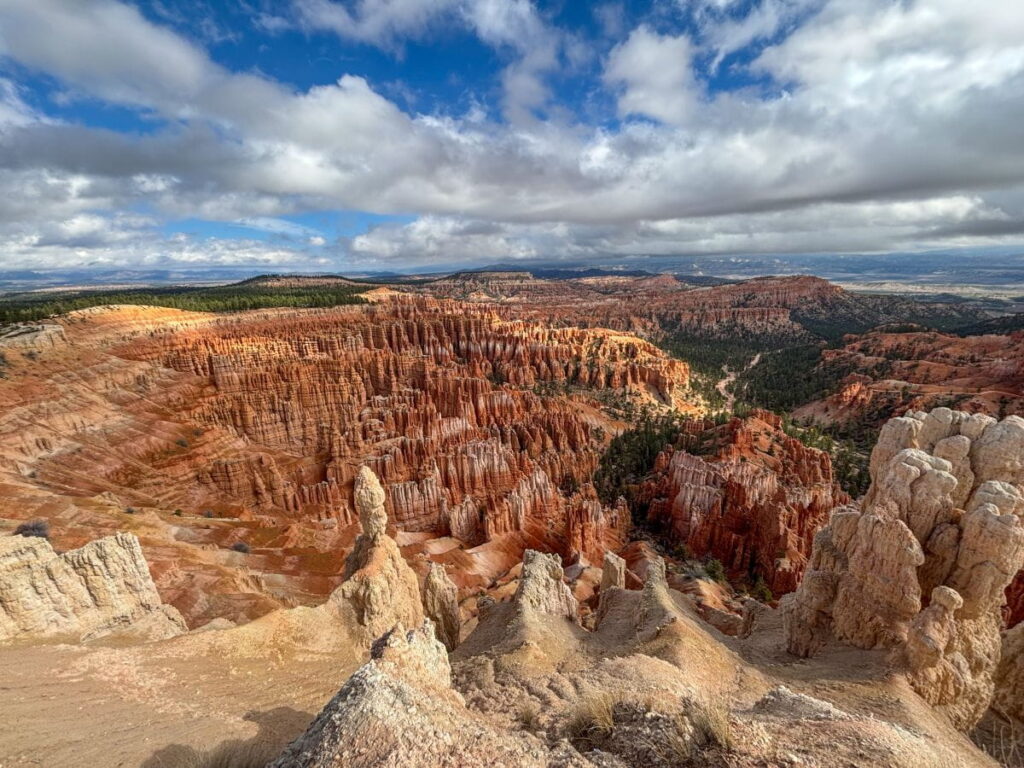
Inspiration Point is the third viewpoint you’ll come to. It is a higher-elevation view of the amphitheater where you can see three distinct layers of sandstone.
The colors here are absolutely mesmerizing- it almost looks like tie dye!
There is also an optional “Upper Inspiration Point” spur trail that takes you to an even higher viewpoint. I definitely recommend checking this out as well!
Inspiration Point is only a 0.7-mile walk along the Rim Trail from Sunset Point, so walking here can be a great way to spend your time, although the park shuttle does stop here as well. The views are spectacular the entire way!
4. Bryce Point
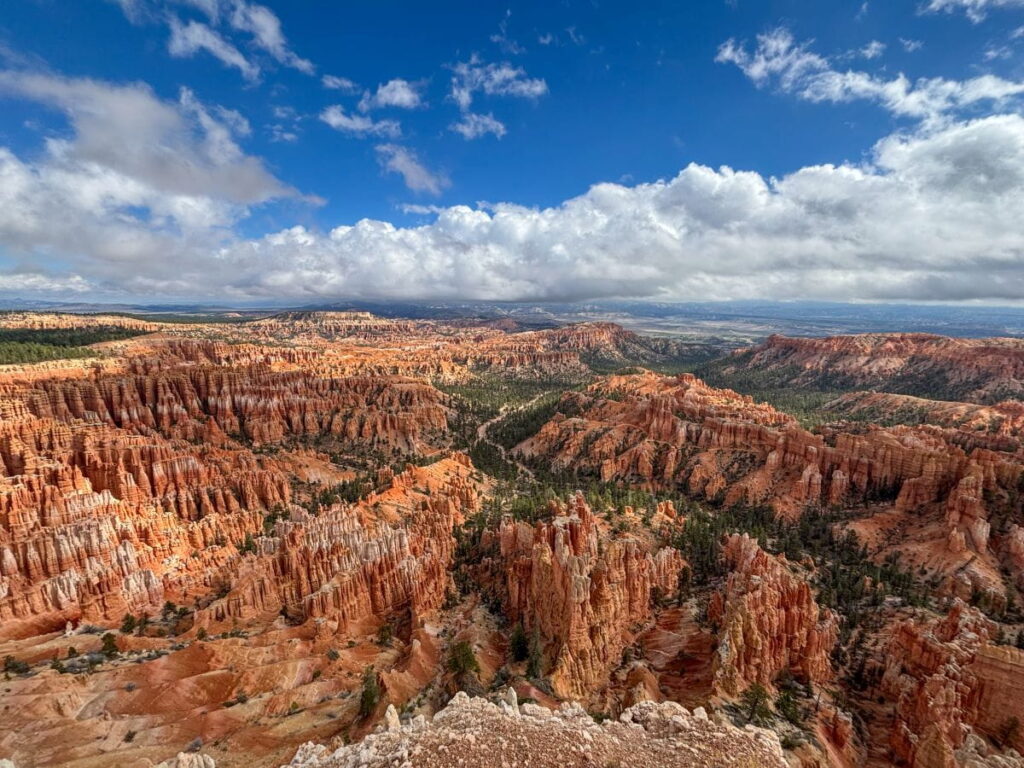
Bryce Point sits at the highest elevation of all four viewpoints. The views here are sweeping over the entire area and you’ll see a lot more pine trees and greenery.
Walking here from Inspiration Point is 1.5 miles one-way and does have some more elevation gain, so you might opt for the park shuttle instead of hiking.
5. Rim Trail
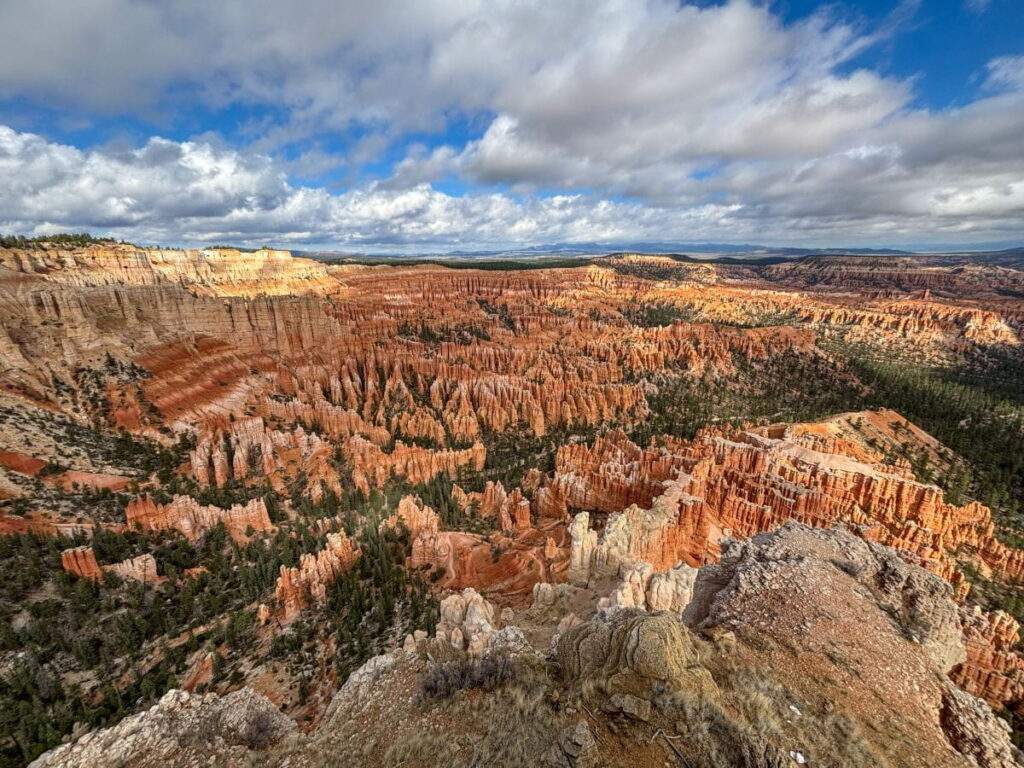
One of the most popular things to do in Bryce Canyon National Park is to walk the Rim Trail. As mentioned above, this trail connects all four major viewpoints along the Bryce amphitheater and goes all the way up to Fairyland Point to the north.
The entire trail is 5.5 miles one-way, but you can opt to just hike a portion of it, or hike it one way and take the park shuttle back to your car.
I loved walking the Rim Trail between Bryce Point and Sunset Point because it is a relatively flat walk and the views of the Bryce amphitheater change with every step you take.
We took our time walking this portion of the trail and took plenty of photos! The views never get old.
6. Queen’s Garden and Navajo Loop
Hiking the Queen’s Garden and Navajo Loop is the best thing to do in Bryce Canyon National Park.
It’s the most efficient way to hike down into the amphitheater and see the hoodoos without committing to a huge hike. You’ll also get to see Sunrise and Sunset Points along the way.
The total hike is 3.1 miles with 649 feet of elevation gain.
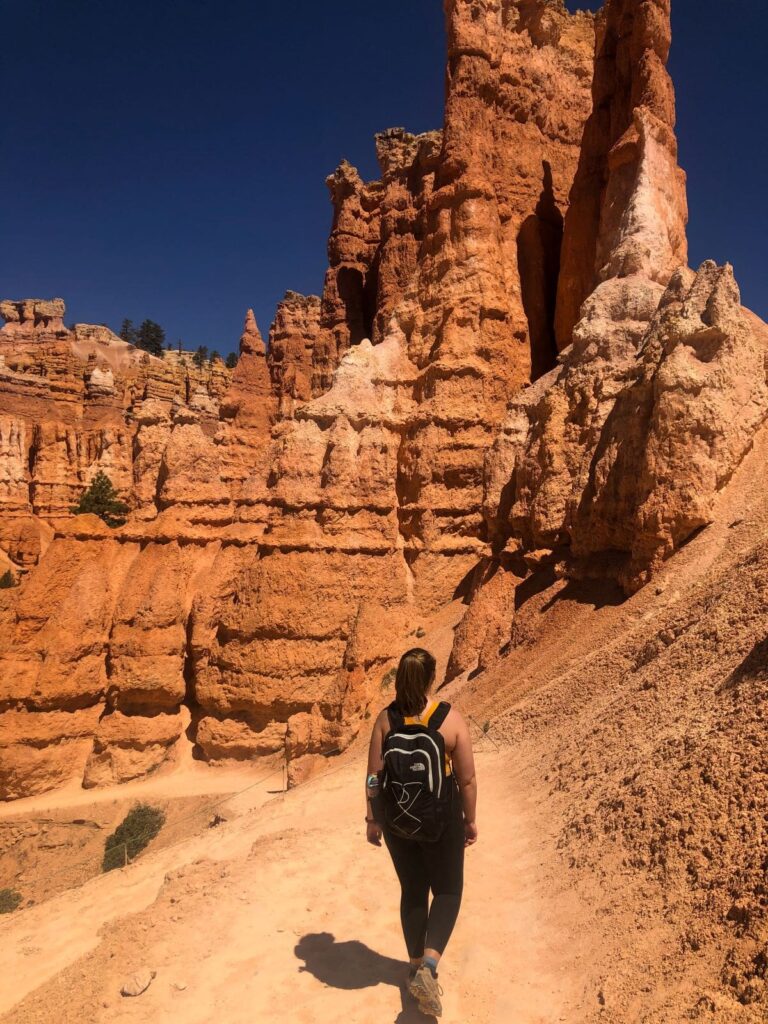
The Queen’s Garden Trailhead starts at Sunrise Point. You’ll hike down into the amphitheater, pass the Queen’s Castle hoodoo and connect with the Navajo Trail at the bottom.
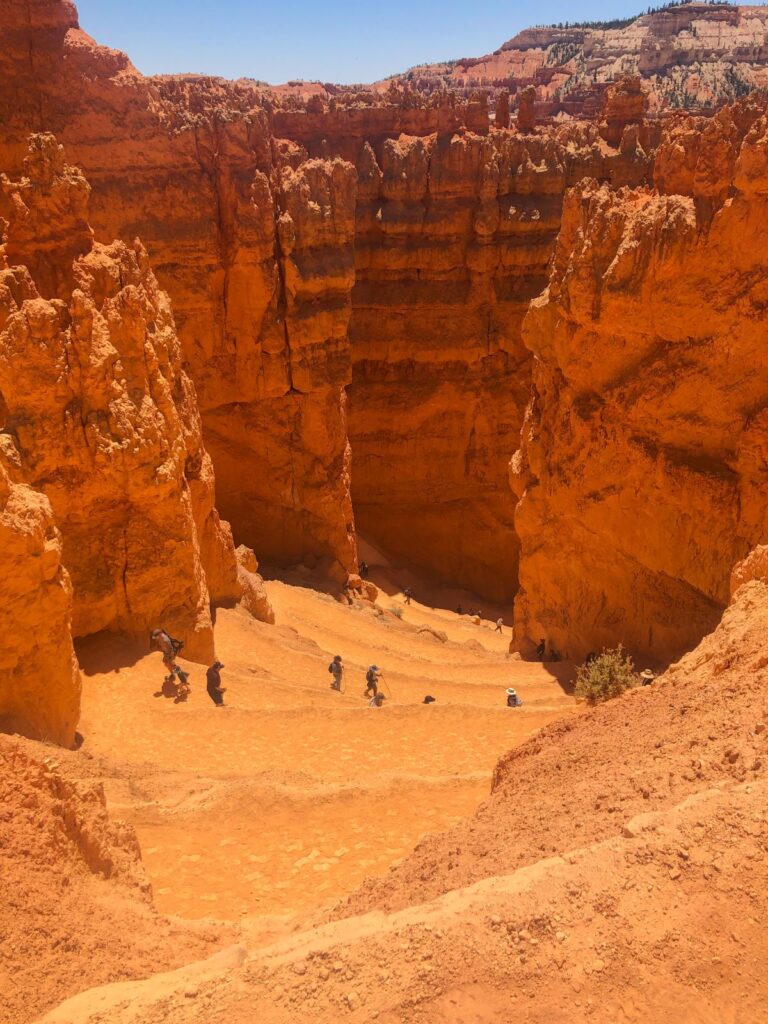
There are two different ways to hike back up via the Navajo Trail: Wall Street (a giant slot canyon) or Thor’s Hammer (famous rock formation). We loved the Wall Street Side but you can’t go wrong either way.
The trail ends at Sunset Point. Walk back to Sunrise Point to complete the loop, or catch the park shuttle from Sunset Point and head to your next destination.
7. Mossy Cave Trail
The Mossy Cave Trail is a lesser-known, easy hike to a small waterfall within Bryce Canyon National Park.
It’s not located in the main section of the park, so you’ll have to drive to the trailhead, located off of Highway 12.
This trail is still on our Utah bucket list, but the reviews are great! Next time we are at Bryce Canyon we will make sure not to miss it!
8. Watch the Sunrise and/or Sunset
If a park has locations named “Sunrise” and “Sunset” Points, you obviously can’t miss catching the sunrise or sunset. Bryce Canyon is no exception.
Watching the sun rise or set over the Bryce amphitheater is an incredible experience. Watch the colors change as the sun moves and enjoy an unparalleled photography experience.
(Yes, Sunrise or Sunset Points are great locations, but anywhere along the Rim is just as fantastic).
9. Fairyland Loop
If you’re looking for a longer day hike down into the Bryce amphitheater, look no further than the Fairyland Loop.
The total Fairyland Loop is 8.1 miles with 1,555 feet of elevation gain. A portion of this trail connects Sunrise Point to Fairyland Point via the Rim Trail.
Parking at Fairyland Point is limited, so get there early to ensure you get a parking spot. You’ll likely find this trail less crowded than other hikes in the park, so enjoy the solitude!
Fairyland Point does close to vehicles during the winter, but you can still hike this trail by starting from Sunrise Point.
10. Bryce Canyon Scenic Drive
Did you know that Bryce Canyon has a scenic drive? This lesser-known 18-mile road takes you along the park’s western edge and has lots of scenic viewpoints to stop at.
Rainbow Point, Yovimpa Point, Natural Bridge, and Agua Canyon are the can’t-miss stops along the drive.
As you drive south, you will gain elevation. Rainbow and Yovimpa Point sit at 9000 feet above sea level. The Scenic Drive does close during the winter due to snowfall, so keep that in mind when planning your visit.
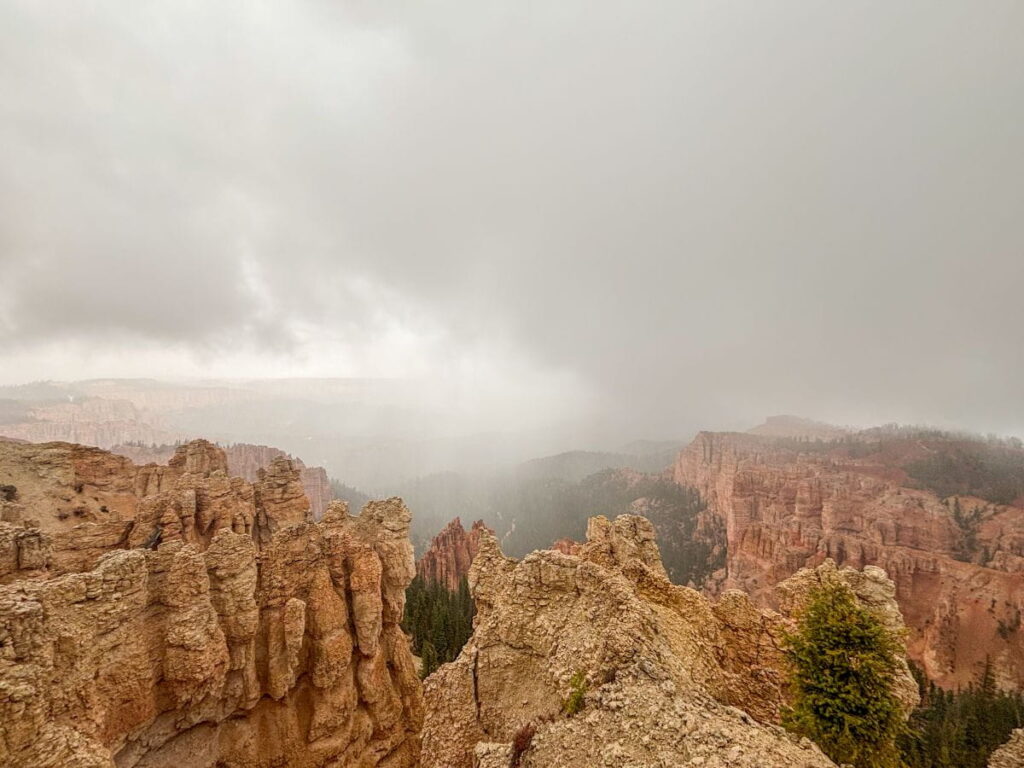
The Scenic Drive is a great way to ditch the crowds at Bryce Canyon and take a break from hiking. It unfortunately started raining when we did the scenic drive on our trip, so I don’t have any great photos of the viewpoints. Here is what Rainbow Point looked like during our visit:
Note that the park shuttles do not run along this route, so it’s a great way to spend the afternoon after visiting the 4 main viewpoints at the Bryce amphitheater.
11. Peekaboo Loop
The Peekaboo Loop trail is another longer hike through the hoodoos. It gets its name due to the many turns and elevation changes along the way. Highlights are the Wall of Windows and the Cathedral.
This trail is also shared with horses, so watch where you are stepping on the trail.
The total distance is 5.2-miles with 1500 feet of elevation gain. This loop is a bit shorter than the Fairyland Loop, so the elevation drop here happens very quickly.
The trailhead begins at Bryce Point. You can also connect the northern junction of this trail to the Navajo Loop or Queen’s Garden Trail to end up at Sunset or Sunrise Points.
12. Horseback Riding
If you’d like to see the Bryce amphitheater and hoodoos up close but aren’t up for hiking down under the rim, consider booking a horseback ride!
Canyon Trail Rides is the park’s official concessionaire and offers 2 and 3 hour rides via horse or mule. You’ll take a portion of the Peekaboo Loop and a separate horse trail down into the amphitheater and back out.
Horse rides are typically offered May through October and it is recommended to book ahead of time.
How Many Days Do You Need at Bryce Canyon?
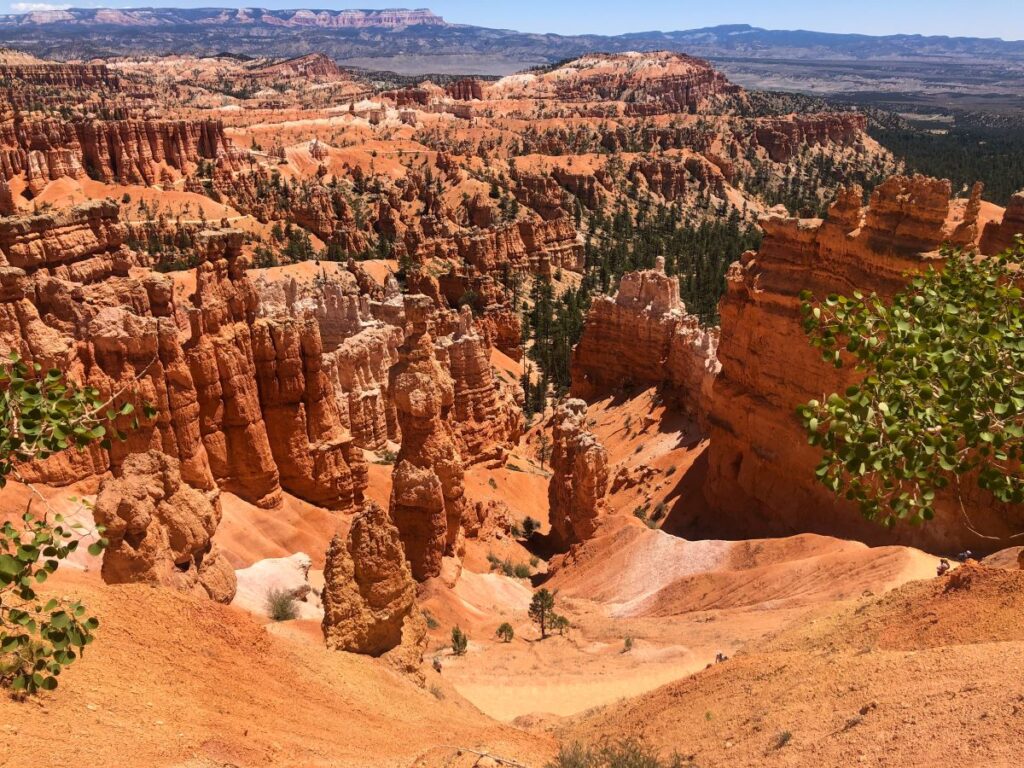
Bryce Canyon is a small and compact park, so you can see and do a lot with just one day. If you don’t plan on hiking below the amphitheater, just a half-day is all you need to visit the 4 main viewpoints.
If you enjoy hiking, plan to give Bryce Canyon one full day. Pick one hike (the Queen’s Garden Trail, Navajo Loop, or the Peekaboo Loop are great choices) and then make sure to visit all 4 main viewpoints and do the Scenic Drive.
Two days is best if you want to do a longer hike or horseback ride in addition to the things mentioned above.
Best Things to Do With Limited Time
If you’re short on time, here are the things I would prioritize:
- Half-Day: See the 4 viewpoints (Sunrise, Sunset, Inspiration, and Bryce Points). If you’re doing well on time, consider hiking between some of them via the Rim Trail vs. waiting in line for the park shuttle
- Full Day: Hike the Queen’s Garden and Navajo Loop first thing in the morning. You will also see Sunrise and Sunset Points along the way. When you’re done hiking, grab lunch and visit Inspiration and Bryce Points, and then spend the rest of your afternoon driving the Bryce Canyon Scenic Drive.
Where to Stay at Bryce Canyon National Park
The best place to stay near Bryce Canyon is in Tropic or Bryce Canyon City. Tropic has more of a small-town feel with a lot of cool bed and breakfasts. Bryce is more touristy but has more amenities.
Bryce Canyon National Park does have its own in-park lodge, the Bryce Canyon Lodge.
This lodge books up very quickly and is expensive, especially in peak season. If you have the budget and the convenience of staying inside the park is worth it to you, this can be an excellent place to stay.
More Information on Utah
UTAH ROAD TRIP: Visit Capitol Reef, Bryce Canyon, Grand Staircase Escalante, and some incredible Utah State Parks with this epic 9-day Utah Scenic Byway 12 road trip itinerary.
CAPITOL REEF NATIONAL PARK: Visit Utah’s most underrated National Park located just 2 hours east of Bryce Canyon. Check out my 1-4 day Capitol Reef itinerary, the top things to do in Capitol Reef, and the best hikes in Capitol Reef.
GRAND STAIRCASE ESCALANTE NATIONAL MONUMENT: Nestled on one of the most scenic highways in the US, Grand Staircase is a massive National Monument that is home to incredible waterfalls, slot canyons, and remote outdoor adventures. It typically gets overshadowed by the Mighty 5 National Parks, but it is just as impressive.