
Bryce Canyon National Park
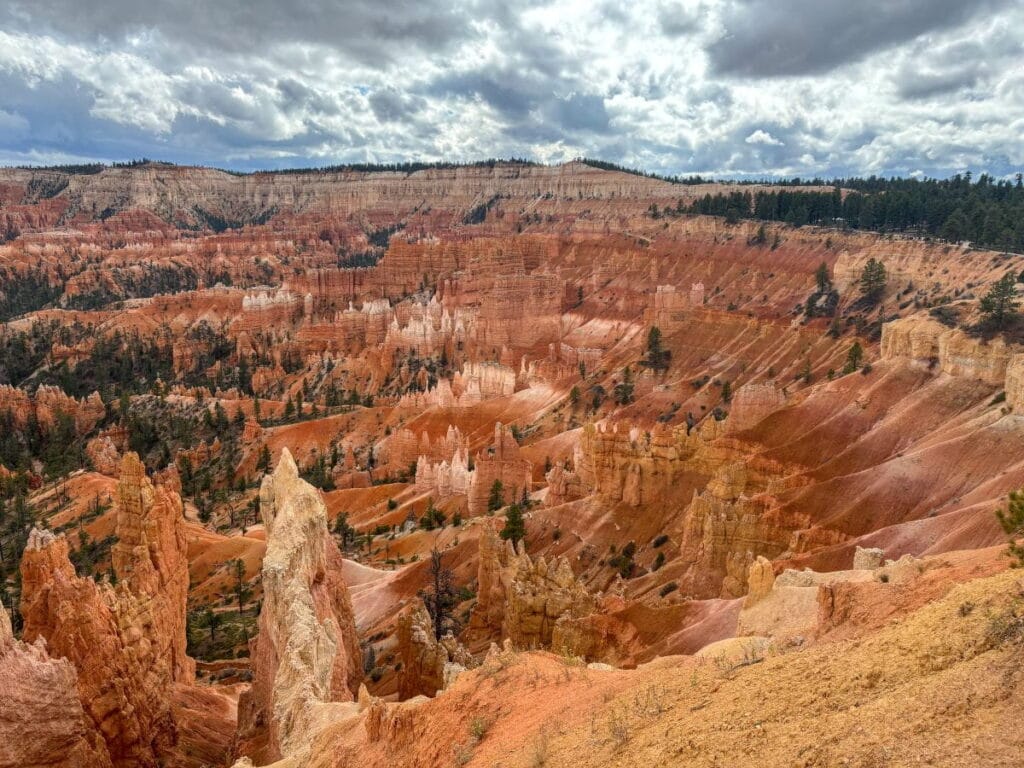
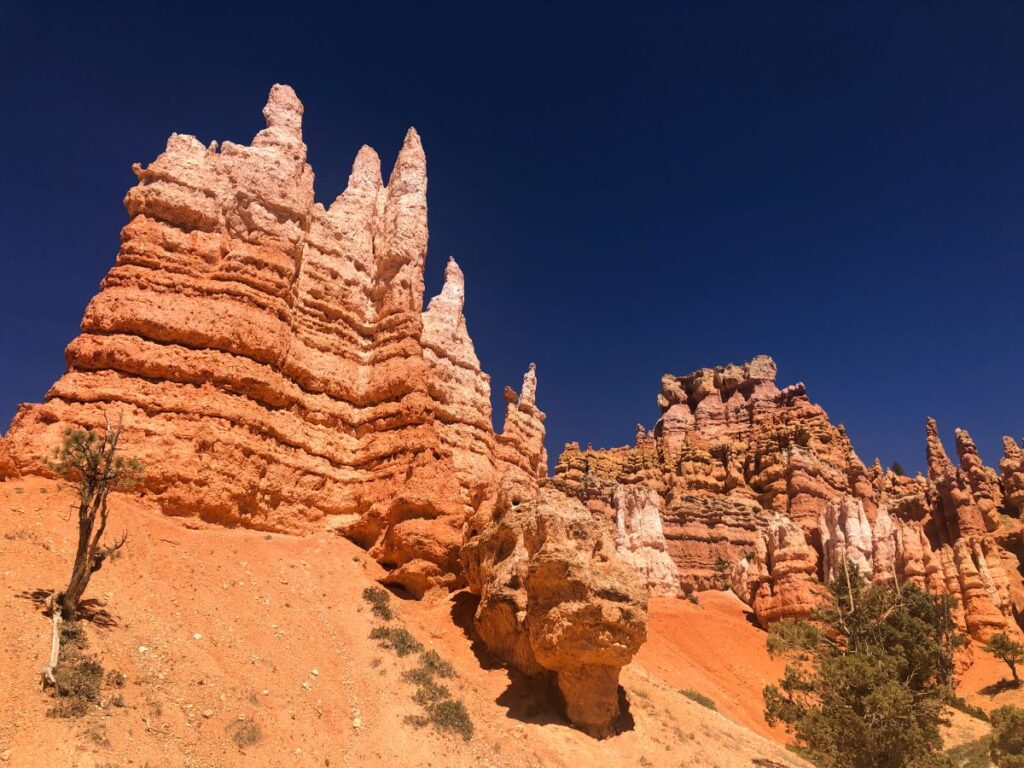
Bryce Canyon National Park is home to the largest collection of hoodoos in the world. Exploring here literally feels like you’re walking through a towering forest of sandstone rock formations!
Did you know that Bryce Canyon isn’t technically a canyon? Canyons are cut out from rivers and the hoodoos in Bryce Canyon were formed by wind and rain erosion.
Bryce Canyon National Park is a compact park, so you only need one day to thoroughly explore it. It’s the second most-visited Utah National Park after Zion, so it will feel crowded here, especially midday during peak season.
Bryce Canyon Facts
Annual Visitors: 1.96 million in 2025
Size: 35,000 acres
Location: Utah
Year Founded: February 25, 1928
Entrance Fee: $35
Reservations Required?: No
Best Things to Do in Bryce Canyon
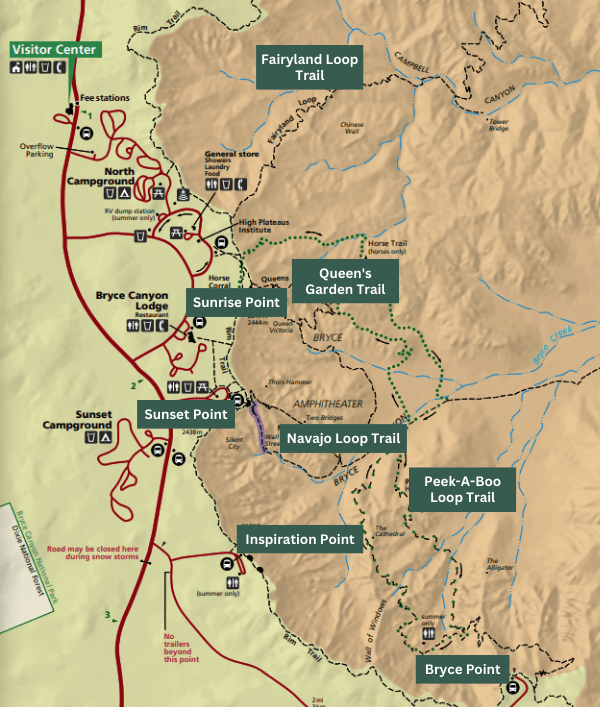
SUNRISE POINT: Sunset Point is the northernmost of the four major viewpoints in the park. This is the first viewpoint you’ll likely see after parking your car.
SUNSET POINT: This is the best viewpoint to see the varying colors of the hoodoo rock formations.
INSPIRATION POINT: Inspiration Point provides more of a birds’ eye view of the Bryce amphitheater.
BRYCE POINT: Viewpoint that provides a view of the Bryce amphitheater looking north.
RIM TRAIL: Walk along the edge of the Bryce amphitheater on this trail that connects Sunrise, Sunset, Inspiration, and Bryce Points. The total hike is 11 miles, but you can hop on and off the park shuttle and just walk a portion of the trail.
QUEEN’S GARDEN & NAVAJO LOOP: This is by far the best hike in the park! The Queen’s Garden and Navajo Loop trail is rated moderate and takes you down into the Bryce ampitheater to get up close and personal with the hoodoo rock formations.
BRYCE CANYON SCENIC DRIVE: 18-mile scenic drive through a lesser-visited area of the park. There are 9 scenic overlooks along the way.
FAIRYLAND LOOP: 7.9-mile, challenging loop through the northern side of the Bryce amphitheater.
PEEK-A-BOO LOOP: 5.2-mile, challenging loop hike through the southern side of the Bryce amphitheater.
MOSSY CAVE TRAIL: Easy, 1-mile trail that takes you past hoodoos and to a small waterfall.
BRYCE NATURAL BRIDGE: Huge, smooth arch carved from rain and wind erosion. The hoodoo formations on top of this arch make it especially unique!
More on BRYCE CANYON

When to Visit
The best time to visit Bryce Canyon National Park is in the spring or fall when temperatures are mild and crowd levels are lower. Bryce is a popular park so crowds and parking can definitely be an issue during peak season.
Bryce Canyon also sits at an elevation of 8000 feet, so it is colder and snowier here than the other Utah Mighty 5 National Parks. Bryce Canyon looks absolutely magical with a dusting of snow, but be prepared with winter hiking gear if you plan to hike down into the amphitheater during the winter months.
Parts of the park do close in the winter, but the main area between Sunrise and Bryce Points is open year-round.
Summer is the busiest season at Bryce Canyon National Park and it does still get very hot, so I would avoid visiting between June and August if you can.
How Many Days Do You Need?
One day is all you need to thoroughly experience Bryce Canyon National Park. You’ll be able to see the viewpoints on the rim of the Bryce amphitheater, hike down into the canyon, and do the scenic drive through the park.
You can even see a lot of the park with just half a day. It is possible to drive through and make a quick stop at Bryce Canyon while on a longer Utah road trip and not feel like you’re missing out on too much. You probably won’t have time to hike down into the amphitheater, though.
I would recommend spending one night near the park if you can, so you can see both sunrise and sunset across the Bryce amphitheater!
How to Get There
Bryce Canyon National Park is located in southern Utah. If you’re looking at the Utah Mighty 5 National Parks in a line, Bryce Canyon is situated between Zion and Capitol Reef National Parks.
The most convenient airports to fly into and rent a car are Las Vegas or Salt Lake City. Bryce Canyon is equidistant from both cities, about a 4 hour drive.
Las Vegas is more convenient for visiting the Grand Canyon and Zion National Parks, and Salt Lake City is more convenient for visiting Moab. Choose the airport that is the most convenient for the trip you are planning!
If you are coming from Moab and/or Capitol Reef (or heading there after visiting Bryce Canyon), I highly recommend driving Utah Highway 12 to or from Bryce Canyon National Park. This is one of the most scenic drives in the US and there are a lot of great views and stops along the way. You can make a great week-long road trip from Capitol Reef to Bryce Canyon just along this stretch of road!
Bryce Canyon National Park Map
Where to Stay
The best place to stay near Bryce Canyon is in Tropic or Bryce Canyon City. Tropic has more of a small-town feel with a lot of cool bed and breakfasts. Bryce is more touristy but has more amenities, chain hotels, and restaurants.
Bryce Canyon National Park does have its own in-park lodge, the Bryce Canyon Lodge. This lodge books up very quickly and is expensive, especially in peak season. If you have the budget and the convenience of staying inside the park is worth it to you, this can be an excellent place to stay.
Bryce Canyon Road TRIP IDEAS
Spend 9 days road tripping from Capitol Reef National Park to Bryce Canyon National Park via one of Utah’s most scenic roads: Scenic Byway 12. You’ll spend 3 days in Capitol Reef National Park, 3 days in Grand Staircase Escalante National Monument, and 1 day in Bryce Canyon National Park. This is a great trip to get off the beaten path in Utah and avoid the crowds.